





ExpoHealthNet Policy Brief about Ultrafine Particles in EU Air Quality Standards
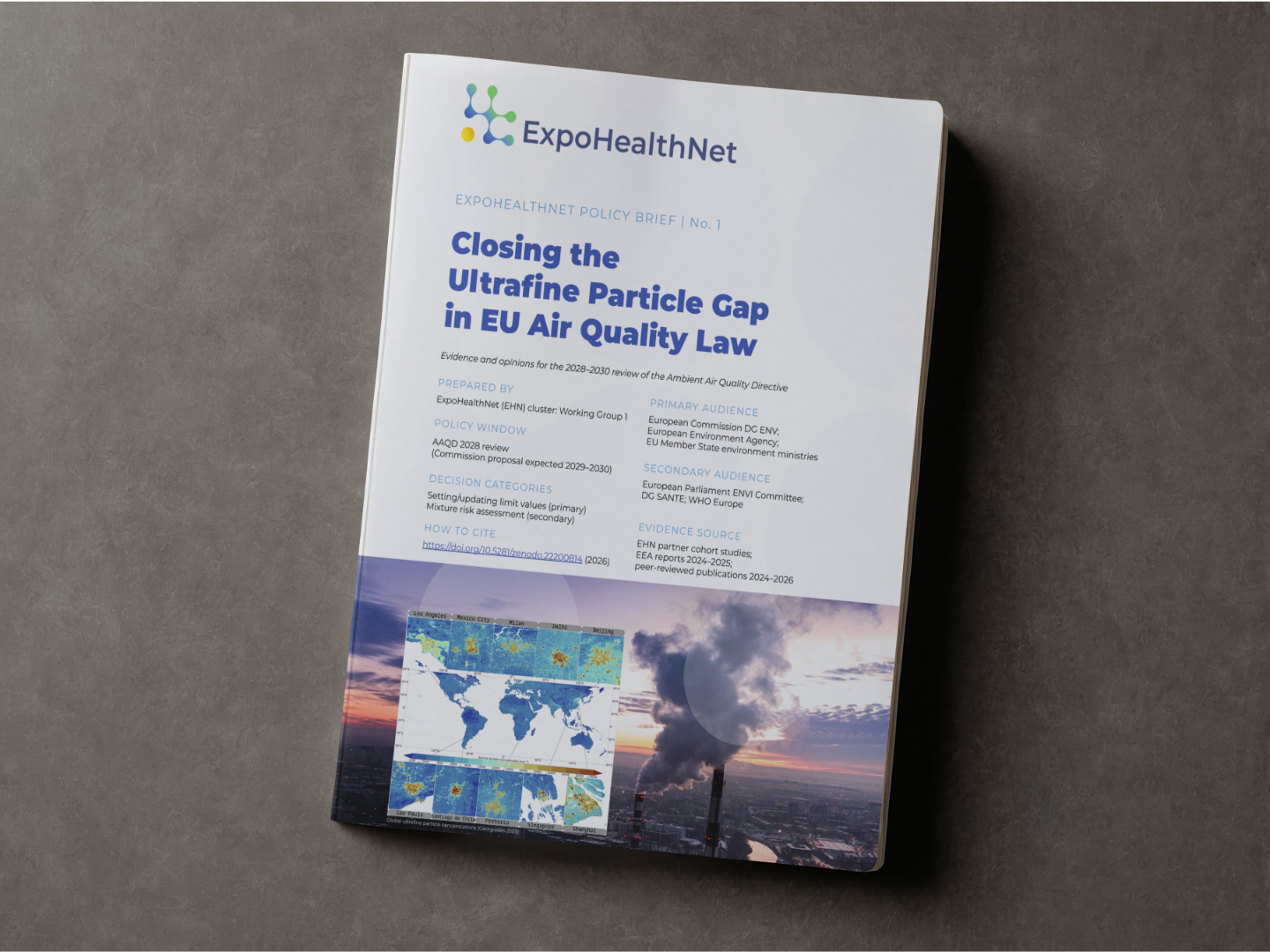
ExpoHealthNet has published its first Joint Policy Brief, “Closing the Ultrafine Particle Gap in EU Air Quality Law”.






ExpoHealthNet has published its first Joint Policy Brief, “Closing the Ultrafine Particle Gap in EU Air Quality Law”.

ClimAIr’s new ethics report shows how its clinical partners meet ethical, legal and data protection standards for health and AI research.
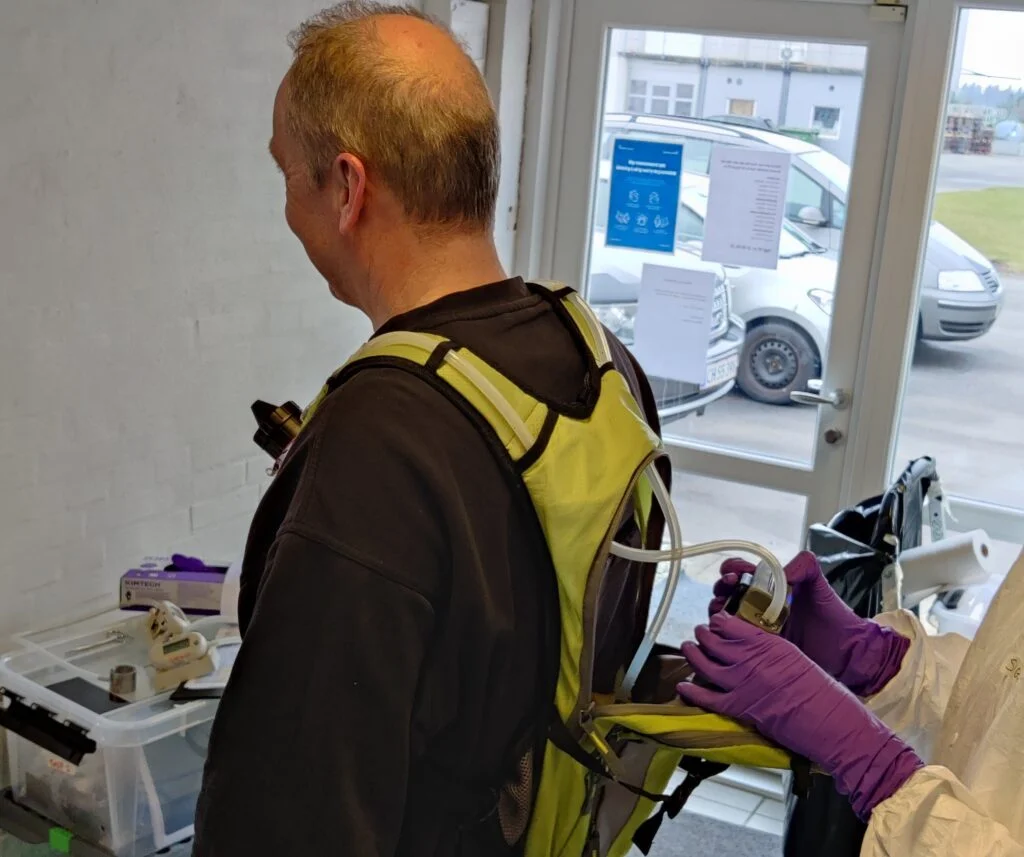
Across Europe, the transition towards a circular economy is increasing the amount of waste being sorted, handled, and recycled. While this development is essential for sustainability, it also brings growing attention to the working environment of waste workers.
A new review article published in the Journal of Environmental Health Science and Engineering by members of MARKOPOLO examines the growing body of evidence linking prenatal air pollution exposure to adverse birth outcomes, including low birth weight, preterm birth, and stillbirth.
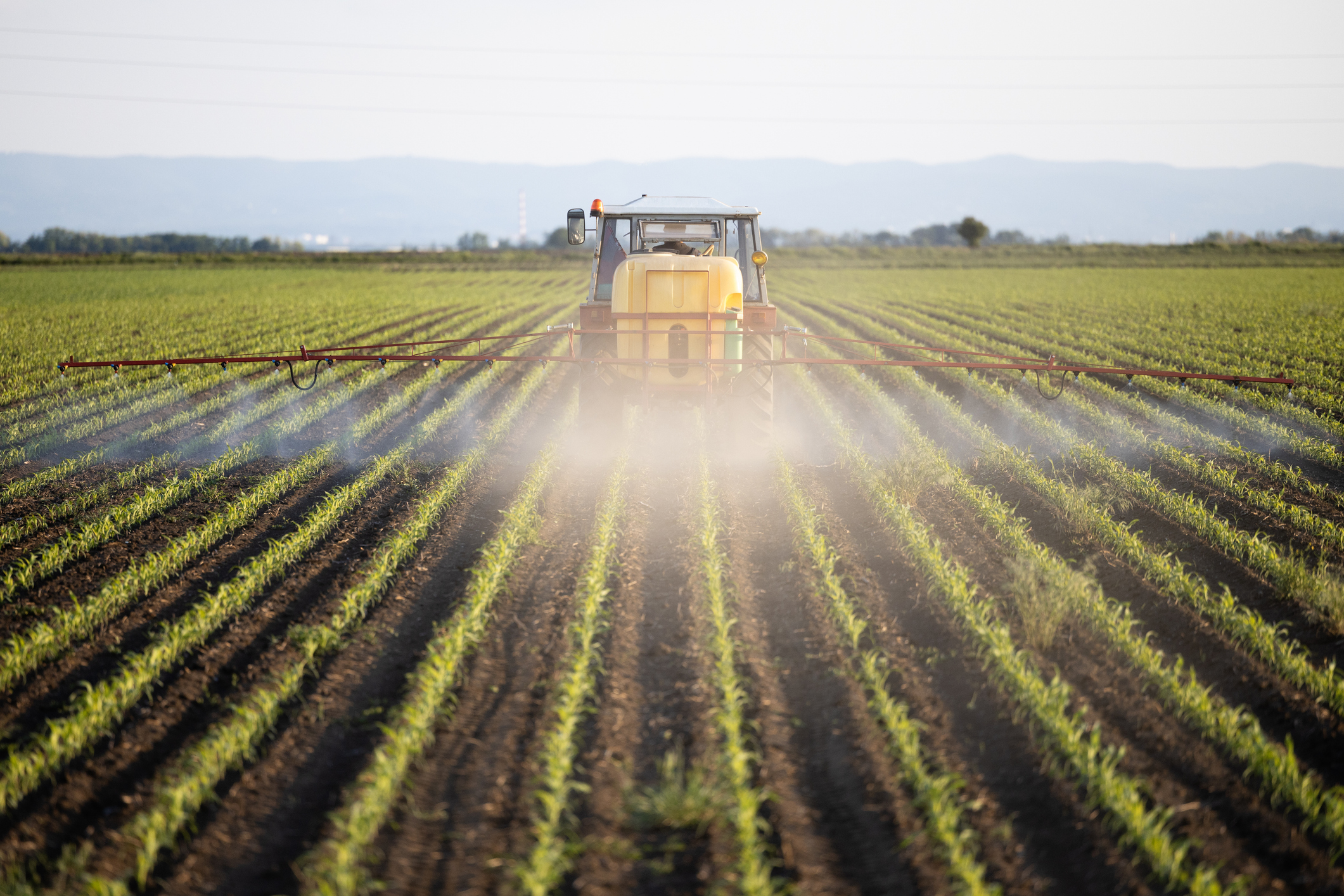
This article from the ExpoSignalz project explores five common forms of chemical pollution, how they get into the environment and the impact on our health.
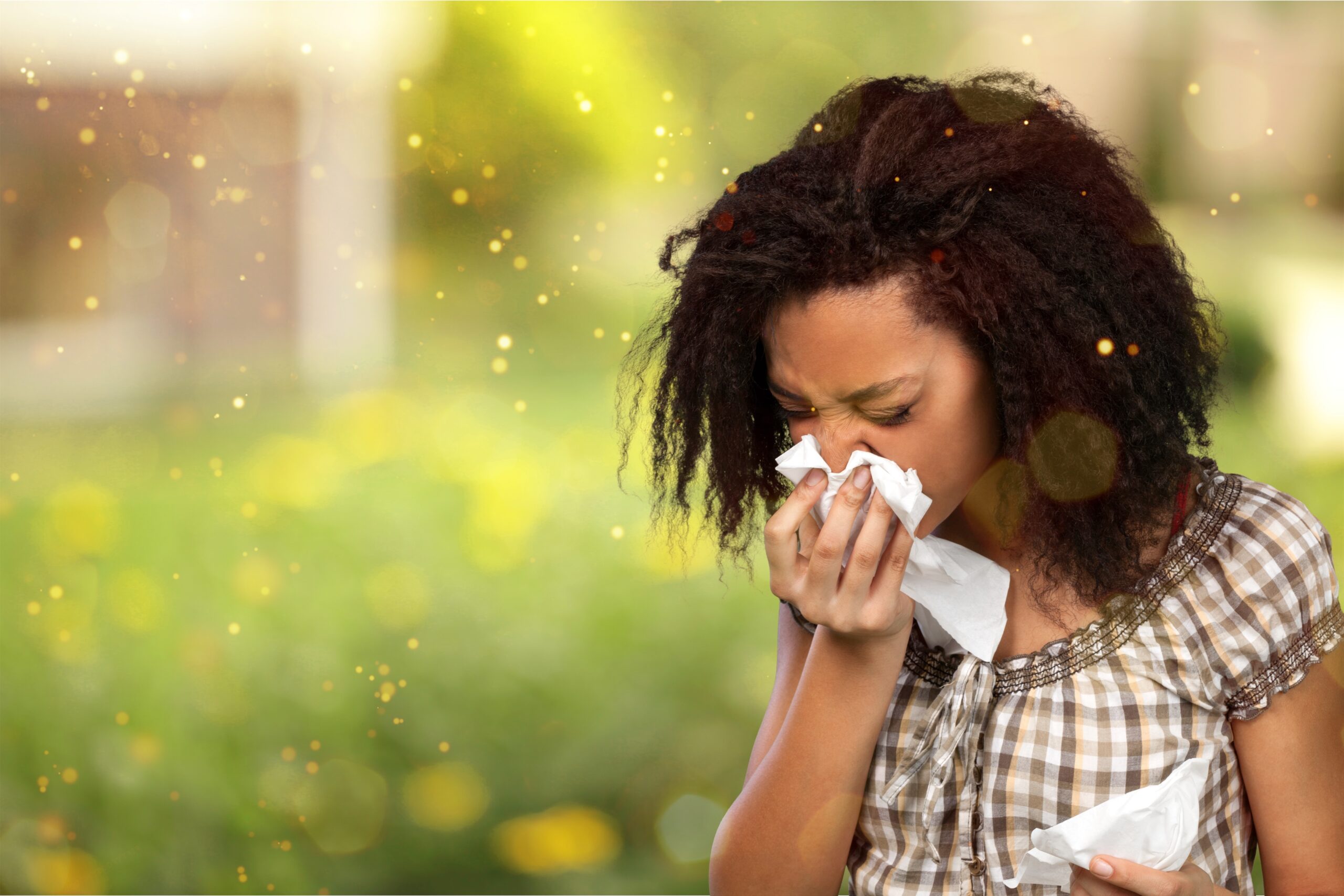
Allergic rhinitis affects one in three people in Western countries, yet it’s rarely taken as seriously as it deserves. In a recent interview, Dr. Ibon Eguiluz, allergologist and researcher on